The Greatest Disruption of AI Will Be in Autonomous Driving
By William Peña – Journalist, contributor at ITBS
Over the next two decades, Artificial Intelligence will shape the future of countless services and processes, but its impact on the transportation sector will be decisive.
This is the view of Uber’s CEO, Dara Khosrowshahi, who, in a conversation held during the World Economic Forum (WEF), said that autonomous driving will trigger a structural shift that will transform road safety, transportation costs, and the organization of work.
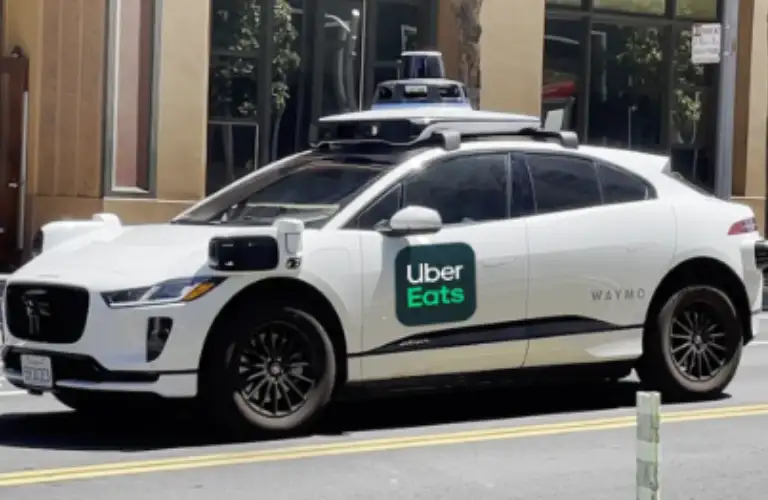
He stated bluntly that “the future of urban transportation will be dominated by vehicles driven by software, not by people. If you think about the world 20 years from now, your Uber will largely be driven not by a human, but by a robot driver.”
In that regard, Khosrowshahi noted that Uber has been using AI since its founding for key tasks such as pricing, driver allocation, route calculation, and service recommendations on Uber Eats.
However, he believes autonomous vehicles (AVs) represent an unprecedented turning point. “AI has always been part of our DNA: it’s how we built the company and how we manage to operate with the same system in Lagos and in New York.”
Unlike other AI applications, autonomous vehicles have a direct impact on the physical world and on people’s safety. “A robot driver doesn’t get tired, doesn’t get distracted, doesn’t text, and is constantly learning. Each vehicle learns from all the others,” he added.
Despite their disruptive potential, Uber rules out immediate and widespread adoption. The executive emphasized that hardware costs, fleet operations, and infrastructure remain significant barriers.
“Over the next three to five years, the number of autonomous vehicles will be limited,” he explained. During that period, they will represent only a fraction of trips, mainly in high‑fare markets such as the United States and Europe.
“It will take between 10 and 20 years for autonomous vehicles to become a significant part of the business on a global scale,” he said.
Another key challenge is the financing model for autonomous driving. Unlike traditional cars, autonomous vehicles have no residual value. “These robots have no residual value. Financing will essentially have to be revenue‑based,” Khosrowshahi said.